Labyrinth 1.1: Boosting Backup Reliability for End-to-End Encrypted Messenger Conversations
End-to-end encryption (E2EE) keeps your private messages safe from prying eyes, but what happens when you lose your phone or switch devices? Meta's Labyrinth protocol is designed to secure message history backups while keeping them truly private. With version 1.1, Labyrinth introduces a smarter way to preserve messages—even before your device reconnects. Here’s everything you need to know about this update, explained in a clear Q&A format.
What is Labyrinth, and why does it matter for Messenger backups?
Labyrinth is Meta's encrypted storage system and protocol that secures message history on Messenger. It ensures that when you back up your conversations, no one—not even Meta—can read them. The protocol wraps each message in an encryption key that only the recipient can unlock. This means your chat history remains private across devices, whether you're restoring from a backup or moving to a new phone. Labyrinth is a critical part of Messenger's E2EE experience, as it allows your messages to travel with you without compromising security. Before Labyrinth, encrypted backups were challenging because any third-party storage could risk exposure. Labyrinth solves that by making the backup itself encrypted end-to-end, so your private conversations stay private even when stored on Meta's servers.
Whats new in Labyrinth 1.1?
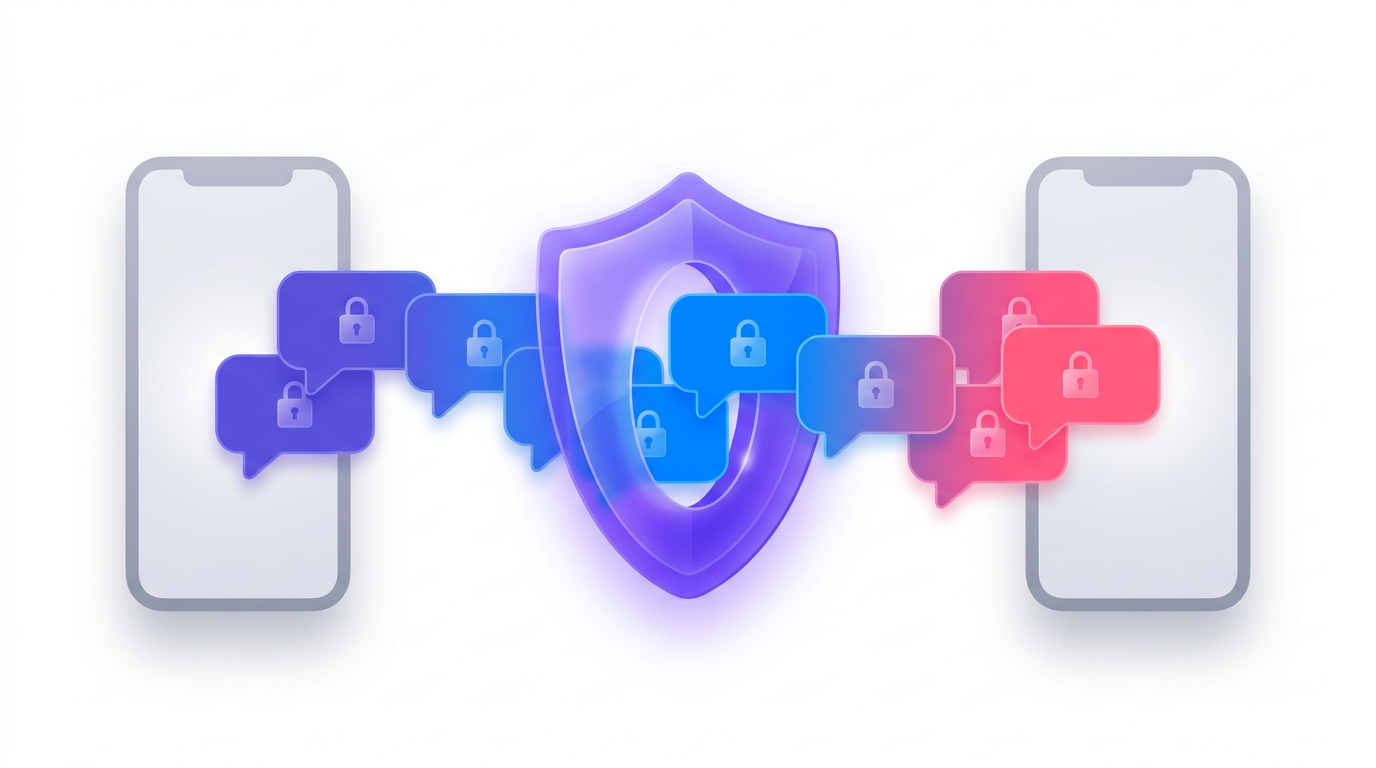
Labyrinth 1.1 introduces a new sub-protocol that significantly improves backup reliability. The major change is that messages can now be saved to your encrypted backup the moment they are sent, rather than waiting for your device to come back online. Previously, if you lost your phone or had a long gap between sign-ins, some messages might not be backed up until your device reconnected to the internet. With version 1.1, the sender can drop each message directly into the recipient’s encrypted backup—like placing a sealed envelope into a locked box only the recipient can open. This ensures that messages are preserved even if your device is lost, switched, or offline for an extended period. The result is a more reliable backup system that captures messages in real time, reducing the risk of data loss.
How does the new sub-protocol work technically?
Technically, Labyrinth 1.1 uses a mechanism where the sender encrypts the message with a key that the recipient can decrypt, and then places that encrypted message directly into the recipient's backup storage on Meta's servers—without Meta ever seeing the plaintext. Think of it as a secure drop: the sender wraps the message in an encryption layer that only the recipient's private key can unwrap. This encrypted package is then inserted into the recipient's backup data store. When the recipient eventually logs in from any device, they can retrieve their entire backup, including messages that were sent while they were offline. This approach eliminates the need for the recipient’s device to be online at the time of sending. The sub-protocol leverages cryptographic techniques to ensure that even Meta cannot access the content, and it maintains the integrity of the backup structure. It’s an elegant solution to the age-old problem of losing messages during device transitions.
How does this improve reliability compared to the previous system?
Previously, Messenger’s encrypted backups relied on the recipient’s device being online to receive and store messages. If you lost your phone or didn’t sign in for a while, messages sent during that period would not be backed up until your device reconnected. This created a window of vulnerability where messages could be lost permanently. Labyrinth 1.1 closes that window by allowing the sender to store the message directly in the recipient’s encrypted backup as soon as it’s sent. Now, even if your device is stolen, broken, or you take a long break from Messenger, all messages are safely preserved in your backup. You can restore your entire message history when you get a new device or log back in. Early data shows that this change has already led to more successful backups and more people restoring their full history when switching devices. It’s a reliability upgrade that makes encrypted backups as robust as traditional cloud backups, but without sacrificing privacy.
Is it safe? How is security maintained with this change?
Absolutely. Security remains the top priority. Labyrinth 1.1 does not weaken encryption in any way. Each message is still end-to-end encrypted using keys that only the sender and recipient possess. The new sub-protocol simply changes where and when the encrypted message is stored. The sender encrypts the message and then places that encrypted blob into the recipient’s backup—this is done using public-key cryptography. Meta never has access to the decryption keys, so the company cannot read the messages. The recipient’s private key, which stays on their device, is required to decrypt the backup. This means that even if someone gains access to Meta’s servers, they would only see encrypted data. The protocol has been peer-reviewed and documented in the updated white paper. In summary, the same high level of security applies, with the added benefit that your messages are more reliably saved.
What impact will this have on Messenger users?
For everyday Messenger users, Labyrinth 1.1 means greater peace of mind. If you lose your phone or switch to a new device, you can expect to restore your entire conversation history without missing messages that were sent while you were offline. This is especially valuable for people who rely on Messenger for important communications, whether personal or professional. The update is being rolled out broadly, and early results show meaningful gains in backup success rates. Users don’t need to do anything—the improvement happens automatically in the background. The user experience remains the same: you still get end-to-end encrypted messaging, but now your backups are more reliable. Additionally, because the messages are stored as they’re sent, long gaps between sign-ins no longer pose a risk to data preservation. It’s a transparent upgrade that makes the invisible security layer even more dependable.
Where can I learn more about Labyrinth 1.1?
If you’re interested in the technical details, Meta has published an updated white paper titled “The Labyrinth Encrypted Message Storage Protocol.” This document provides a deep dive into the cryptographic designs, the new sub-protocol, and the security proofs. You can find it on the Engineering at Meta blog. For everyday use, no additional action is needed—Labyrinth 1.1 is automatically enabled for Messenger users as part of the update. To stay informed about future improvements, follow Meta’s engineering updates. The white paper is an excellent resource for developers, security researchers, and anyone curious about how large-scale end-to-end encrypted storage can be both private and reliable. Remember, good security should always be invisible, and Labyrinth 1.1 makes that invisibility even more trustworthy.
Related Discussions