A Fleet Operator’s Guide to Tesla Semi Charging Infrastructure: Basecharger and Megacharger
Overview
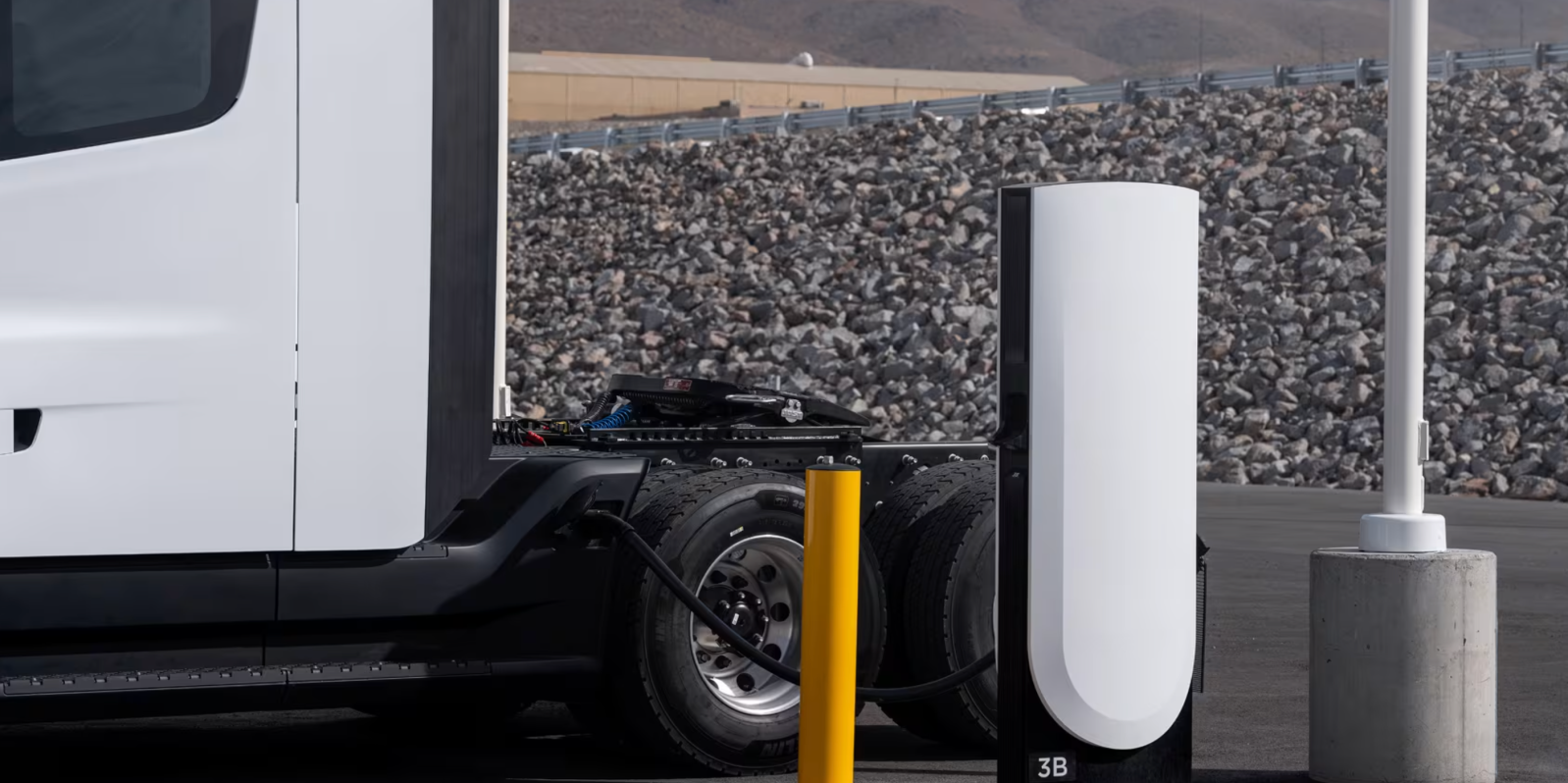
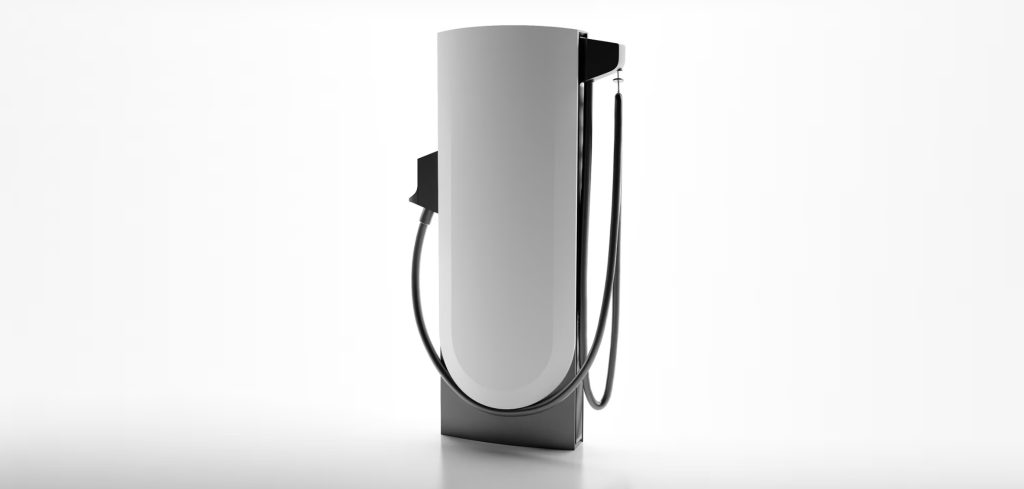
Tesla has officially launched its Semi Charging for Business program, enabling fleet operators and businesses to purchase and install their own charging infrastructure for the Tesla Semi. The program introduces two distinct charger models: the Megacharger – a high-power, en-route solution – and the newly announced Basecharger, a lower-power 125 kW unit designed for depot and overnight use. This guide walks you through everything you need to know to plan, select, and deploy these chargers, including pricing, prerequisites, step-by-step configuration, and common pitfalls to avoid.
Prerequisites
Before diving into the ordering process, ensure your fleet operation meets the following baseline requirements:
- Fleet size and charging needs: Estimate daily mileage and dwell times to determine if your trucks can rely on overnight Basecharger sessions or require Megacharger top-ups during routes.
- Site electrical capacity: Both chargers require significant power infrastructure. A single Basecharger (125 kW) typically needs a 250–300 A service at 480 V three-phase. Megacharger installations (≥1 MW) demand utility-grade connections and often a dedicated transformer.
- Space and layout: Ensure sufficient parking/depot space for charger posts and truck maneuvering. Each Megacharger post (two posts per unit) occupies about 1.5 standard parking spots.
- Permits and local codes: Check with your local authority for electrical permits, building codes, and environmental regulations – especially for high-power systems.
- Program participation: The program is available only to businesses operating Tesla Semis or planning to order them. A valid Tesla account and fleet management credentials are required.
Step-by-Step Guide to Purchasing and Installing Tesla Semi Chargers
Step 1: Assess Your Fleet’s Charging Profile
Determine whether your operations favor the Basecharger or Megacharger – or a mix. For depot-centric fleets with 8+ hours of idle time overnight, one or more Basechargers can fully replenish a Semi’s 500 kWh (expected) battery. For long-haul routes requiring quick en-route charging during driver breaks, Megachargers are essential. Tesla’s online configurator (see Step 2) helps visualize these scenarios.
Step 2: Access the Tesla Semi Charging Configurator
Log in to your Tesla fleet account and navigate to the Semi Charging for Business section. The configurator presents two main options:
- Basecharger: Single or multiple units. Each unit delivers 125 kW DC fast charging via a CCS-based connector (compatible with Semi’s proprietary plug).
- Megacharger: Sold in pairs (two posts per order) with an estimated starting price of $188,000 (before taxes and installation). The $0.08 per kWh usage fee applies only when the charger is used at revenue-generating sites (e.g., public depot or customer‑facing locations).
Step 3: Configure Your Order
In the configurator, specify:
- Charger model and quantity – e.g., 4 Basechargers for depot, 2 Megacharger posts for highway stops.
- Site details – location, electrical panel specifications, and planned usage (revenue vs. private fleet).
- Optional services – Tesla can provide turnkey installation quotes, including trenching, concrete pads, and utility interconnection.
Example configuration output (conceptual):
Site: Fleet Depot A
- 2× Basecharger (250 kW total capacity)
- Estimated hardware cost: $12,000 per unit (not publicly confirmed – placeholder)
- Installation estimate: $15,000–$25,000 depending on distance from panel
- Usage fee: $0.08/kWh for public access; waived if used exclusively for your fleet
Step 4: Submit Order and Await Site Survey
After reviewing the quote, submit your order. Tesla will schedule a site survey to verify power availability and permit requirements. Expect a 4–8 week lead time for equipment delivery after survey approval.
Step 5: Prepare the Site for Installation
Based on the survey, you may need to:
- Upgrade the electrical service (e.g., from 200 A to 600 A for multiple Basechargers).
- Pour concrete pads for charger pedestals.
- Run conduit and wiring from the main panel to charger locations.
Step 6: Installation and Commissioning
Tesla’s certified installers (or a third-party electrician authorized by Tesla) will mount the chargers, connect power, and test communication. Commissioning includes firmware updates and network activation. The all-inclusive fee of $0.08/kWh covers ongoing power management, remote monitoring, and software support – but note that electricity costs themselves are separate.
Common Mistakes to Avoid
Underestimating Electrical Infrastructure Costs
The $188,000 price for two Megacharger posts does not include transformer upgrades, trenching, or utility demand charges. Some operators have reported total project costs exceeding $300,000. Always budget for a 30–50% overhead beyond the hardware sticker.
Choosing the Wrong Charger for Your Dwell Time
Using a Megacharger for overnight depot charging wastes its high-power capability and incurs unnecessary hardware costs. Conversely, relying solely on Basechargers for routes with tight turnaround times (<4 hours) can leave trucks undercharged. Match charger type to typical dwell duration: Basecharger for 8+ hours, Megacharger for 30–60 minute breaks.
Ignoring the $0.08/kWh Fee Structure
If you operate a revenue-generating site (e.g., inviting other fleets to use the charger), the $0.08/kWh fee applies to every kilowatt-hour dispensed. This can add up quickly – a Semi charging 500 kWh daily would incur $40/day in usage fees. For private fleet depots, confirm with Tesla that your site qualifies for the non-revenue waiver.
Overlooking Permitting Delays
Megacharger installations often require environmental permits, especially if near waterways or in historic districts. Start the permitting process immediately after the site survey – delays of 2–6 months are common.
Summary
Tesla’s Semi Charging for Business program offers two clear paths: the depot-friendly Basecharger (125 kW, overnight charging) and the high-speed Megacharger (≥1 MW, en-route use, priced from $188,000 per two posts). By carefully assessing your fleet’s duty cycle, preparing your site’s electrical capacity, and factoring in installation and ongoing fees, you can deploy a scalable charging solution that keeps your Tesla Semis moving. Avoid common pitfalls like underestimating infrastructure costs or mismatching charger to dwell time, and your transition to electric trucking will be smooth.
Related Discussions