Ibogaine Shows Promise in Treating PTSD Among Military Veterans
Introduction: A New Frontier in PTSD Treatment
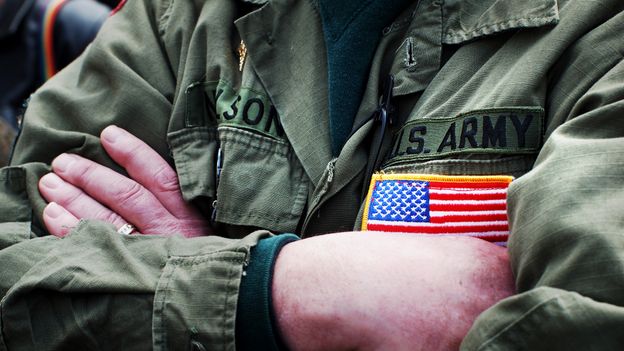
Post-traumatic stress disorder (PTSD) affects millions of veterans worldwide, often leading to chronic mental health challenges that resist conventional therapies. Recent clinical trials have turned attention to ibogaine, a psychoactive compound derived from the roots of the African iboga plant. Early results suggest that this powerful substance may offer relief where other treatments fall short. While still experimental, ibogaine's potential to rewire traumatic memories and reduce symptoms has sparked hope—and caution—within the medical community.
What Is Ibogaine?
Ibogaine is a naturally occurring alkaloid found in the iboga shrub (Tabernanthe iboga), native to West Africa. For centuries, it has been used in Bwiti spiritual ceremonies for healing and initiation. In modern medicine, ibogaine gained attention for its ability to interrupt addiction cycles, particularly for opioids. Its mechanism involves interacting with multiple neurotransmitter systems, including serotonin, dopamine, and NMDA receptors, producing a prolonged hallucinogenic experience that can last 24–36 hours. This intense state—often described as a waking dream—is believed to help patients confront and reprocess deep-seated trauma.
Trials on Veterans: Key Findings
Study Design and Participants
Recent pilot studies, including one conducted by researchers at a major U.S. university, have examined ibogaine's effects on veterans with combat-related PTSD. Participants typically received a single oral dose of ibogaine hydrochloride in a controlled medical setting, accompanied by psychological support before, during, and after the session. The trials involved small groups—often fewer than 30 veterans—but the outcomes have been statistically significant.
Reduction in PTSD Symptoms
In the weeks following treatment, veterans reported marked reductions in intrusive thoughts, hyperarousal, and avoidance behaviors—core symptoms of PTSD. Standardized assessments like the Clinician-Administered PTSD Scale (CAPS-5) showed average symptom score drops of 40–60%. Many participants described the experience as a 'reset' that allowed them to view their trauma from a new perspective, free from the intense emotional charge that previously governed their lives.
Long-Term Effects and Relapse Rates
Follow-up data at six months and one year indicate that the benefits persist for many veterans, though some require booster sessions or adjunctive therapy. Compared to conventional treatments like selective serotonin reuptake inhibitors (SSRIs) or cognitive behavioral therapy, ibogaine appears to produce faster and more dramatic improvements. However, relapse rates and the need for ongoing support remain open questions.
Risks and Challenges
Cardiac Safety Concerns
Ibogaine is not without risks. Its most serious side effect is prolonged QT interval, a cardiac arrhythmia that can lead to fatal ventricular fibrillation. For this reason, all participants in the veteran trials underwent rigorous cardiac screening and were monitored with continuous ECG during the session. Any history of heart disease, electrolyte imbalances, or use of medications that affect heart rhythm automatically disqualified candidates.
Psychological Risks
The intense hallucinogenic experience can also trigger psychological distress, including panic, confusion, or re-traumatization. Skilled therapists and a safe environment are essential to minimize these risks. Some veterans have reported temporary dissociative states or difficulty integrating the experience afterward. Ethical guidelines now emphasize the need for comprehensive preparation and follow-up integration therapy.

How Ibogaine May Rewire the Brain
Neuroimaging studies suggest that ibogaine promotes neuroplasticity—the brain's ability to form new neural connections. It appears to stimulate the growth of dendrites and synapses, particularly in regions like the hippocampus and prefrontal cortex, which are often shrunken or underactive in PTSD patients. By breaking down maladaptive circuits linked to fear and hypervigilance, ibogaine may allow healthier patterns to emerge. Additionally, its effect on the sigma-1 receptor and glial cell line-derived neurotrophic factor (GDNF) may enhance mood regulation and cognitive flexibility.
Regulatory Hurdles and Future Directions
Ibogaine is classified as a Schedule I substance in the United States, meaning it has no accepted medical use and a high potential for abuse. This classification has severely limited research funding and clinical access. However, the recent veteran trials have prompted the FDA to grant Breakthrough Therapy designation to ibogaine-based protocols, expediting the review process. Several phase 2 and phase 3 trials are now in planning stages, with the goal of establishing safety and efficacy in larger, diverse populations.
If approved, ibogaine therapy would likely be administered only in specialized clinics under strict medical supervision. Researchers are also exploring synthetic analogues—such as noribogaine—that may retain therapeutic benefits while reducing cardiac toxicity.
Conclusion: A Complement, Not a Cure
Ibogaine is not a magic bullet. It is a powerful tool that, when used responsibly, could become a valuable part of the PTSD treatment arsenal—especially for veterans who have exhausted other options. The path to regulatory approval is long, and risks must be carefully managed. Yet the emerging evidence offers a rare glimmer of hope for those suffering from the invisible wounds of war. As research continues, the focus should remain on safety, access, and the integration of ibogaine therapy with established psychological support systems.
Note: This article is for informational purposes only and does not constitute medical advice. Always consult a qualified healthcare provider regarding treatment options.
Related Discussions