Why Spotify's Disco Ball Logo Was Never Meant to Last (And Why It Paid Off)
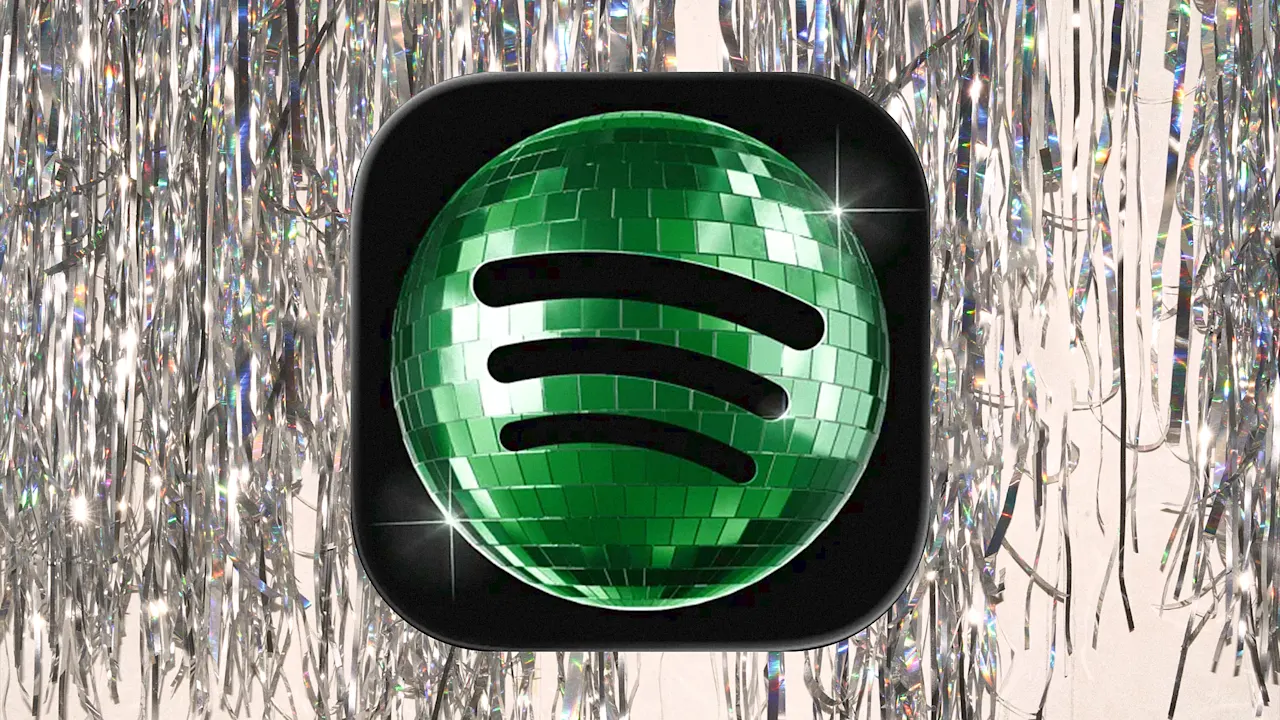
In May 2026, Spotify users opened their phones to find the familiar green circle had transformed into a glittery dark green disco ball, complete with shimmering facets. The internet, predictably, had opinions—and strong ones at that. But as the backlash mounted, Spotify quickly reassured everyone: this wasn't a permanent change. The disco ball was always a temporary birthday celebration, part of a larger marketing campaign that ultimately drew in more subscribers than ever. Here's the story behind the "discomorphism" logo and why it worked.
A Sparkly Surprise for Spotify's 20th Birthday
To mark its 20th anniversary, Spotify rolled out a revamped logo that replaced the app's standard green circle with a dark green disco ball, complete with glittery reflections. The company called it a "temp glow-up" and integrated it into a broader promotional experience called Your Party of the Year(s)—essentially a Wrapped-style recap built for the milestone year. The logo change was never intended to be permanent; it was a limited-time visual treat to celebrate two decades of music streaming.
The Backlash: Fans Let Spotify Know What They Thought
Within hours, social media erupted with complaints. Critics called it "discomorphism" and questioned why Spotify would mess with a iconic brand element. The company quickly responded on social platforms: "Alright, we know glitter is not for everyone. Our temp glow-up ends soon. Your regularly scheduled Spotify icon returns next week." The message was clear—the disco era was short-lived by design. But the intensity of the reaction surprised even Spotify, leading many to wonder: why do users get so upset over a logo?
Why Temporary Changes Feel Disruptive
Ravi Sawhney, founder and CEO of industrial design consultancy RKS Design, explains: "People think reactions like this are about a logo, but they are usually about emotional familiarity and subconscious trust." Even subtle visual alterations can trigger a sense of disruption, especially when users have built a daily habit around the app. The disco ball, no matter how charming, broke that unconscious bond—and users pushed back. This phenomenon is well-documented in brand psychology: familiarity breeds comfort, and sudden changes (even temporary ones) can feel like a betrayal.
Not the First Logo Experiment for Spotify
Spotify has dabbled with special logos before, most notably for its annual Wrapped campaign. In 2025, for instance, the app sported logos paying homage to artists like Lady Gaga, PinkPantheress, and Justin Bieber. Yet none of those temporary designs triggered the same level of outrage. The disco ball, perhaps because of its dramatic departure from the minimalist green circle, struck a nerve in a way prior experiments hadn't. But that was part of the plan.
A Calculated Play for Attention
Love it or hate it, the temporary logo was a masterstroke in brand visibility. After the initial backlash, designers and brand accounts jumped on the trend, bedazzling their own logos and icons in solidarity or satire. The disco ball became a visual meme—a participatory filter that spread across platforms like a pop star's album art reveal. Every share, every laugh, every complaint kept Spotify in the conversation. The company confirmed that all the online chatter resulted in a significant uptick in new subscribers. As a limited-time stunt, it couldn't have worked better.
The Takeaway: Temporary Logos Can Be a Powerful Tool
Spotify's disco ball logo reminds us that brand updates don't always have to be permanent to be effective. By creating a short-lived, visually striking deviation, the company generated buzz, reaffirmed its cultural relevance, and drove subscriptions—all while giving users the reassurance that the logo they knew and trusted would soon return. In a crowded digital landscape, that kind of attention is worth its weight in gold. Or in this case, glitter.
Related Discussions