How to Set Up Tesla Semi Charging Infrastructure: Basecharger & Megacharger Guide
Overview
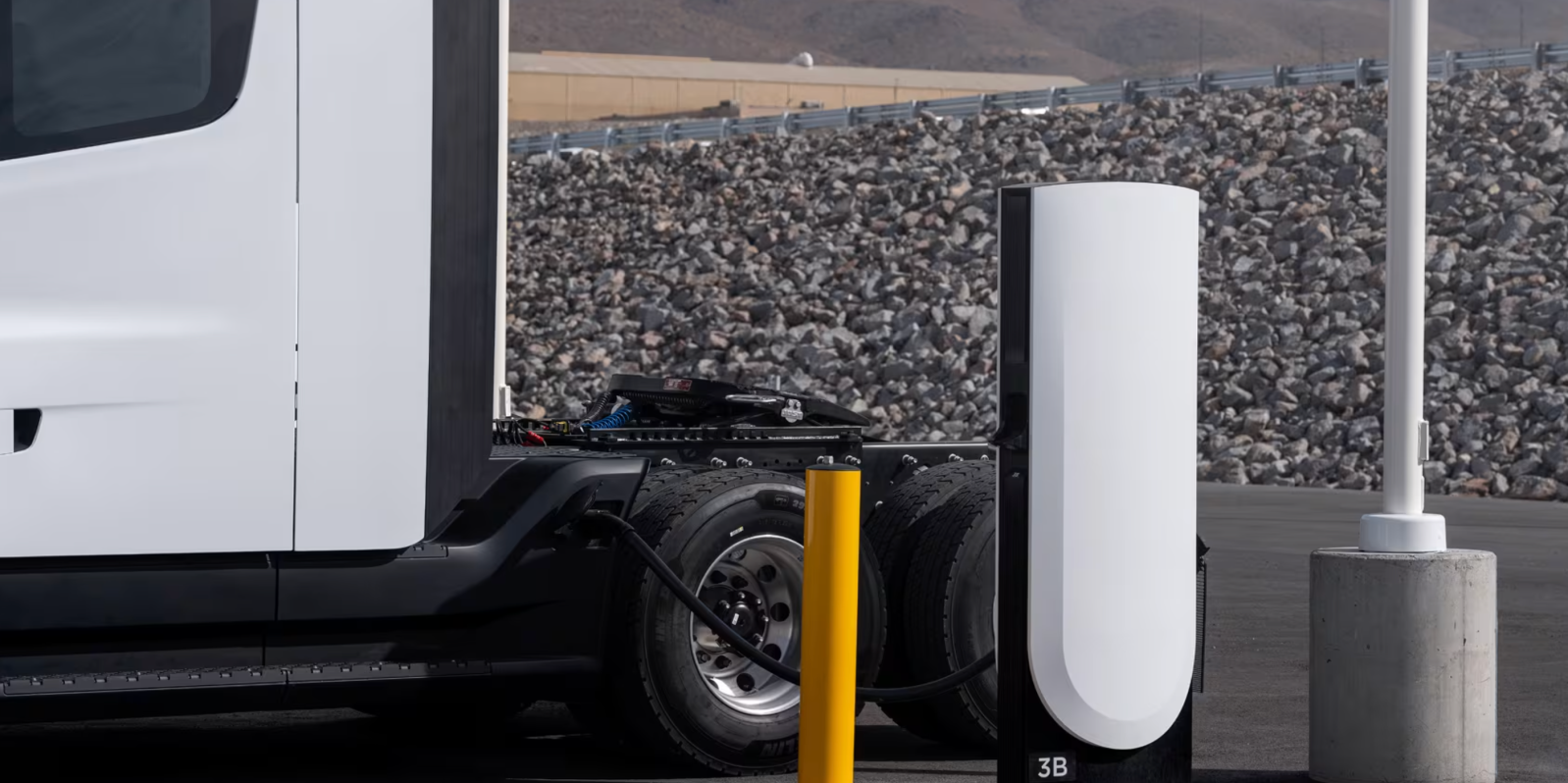
Tesla has introduced a comprehensive charging solution for commercial fleet operators through its Semi Charging for Business program. This initiative allows businesses to purchase and install their own charging infrastructure, including two key products: the Megacharger and the newly unveiled Basecharger. The Basecharger is a 125 kW unit designed for depot and overnight use, while the Megacharger, starting at $188,000 for two posts, offers higher power for rapid daytime charging. This guide walks you through everything you need to know to plan, purchase, and deploy these charging systems for your Tesla Semi fleet.
Prerequisites
Before diving into the step-by-step process, ensure your business meets the following prerequisites:
- Site Ownership or Long-Term Lease: You need a permanent location (e.g., depot, logistics yard) with sufficient space for the chargers and Semi trucks.
- Electrical Infrastructure: Access to high-capacity power lines (typically 480V three-phase for both Megacharger and Basecharger). Consult a licensed electrician to assess your site's transformer capacity and grid connection.
- Tesla Account for Fleet: Register your business with Tesla's fleet energy platform to access the configurator and manage charging sessions.
- Permitting Knowledge: Local building and electrical permits may be required. Check with your municipality for regulations on DC fast chargers.
- Budget for Installation: The quoted prices exclude taxes, installation, and any site preparation (concrete pads, trenching, etc.). Plan for additional costs that can range from $20,000 to $100,000+ per charger.
Step-by-Step Guide to Purchasing and Installing
Step 1: Access the Online Configurator
Visit Tesla's Semi Charging for Business portal (accessible through your Tesla account under Energy > Commercial Charging). You'll find the configurator where you can select between the Basecharger (125 kW) and Megacharger (1 MW+). For the Megacharger, the base price for two posts is $188,000. The Basecharger pricing is not publicly detailed but is expected to be lower.
Step 2: Determine Your Charging Strategy
Identify your fleet's duty cycle:
- Overnight Depot Charging: Use Basecharger (125 kW) to fully charge a Semi overnight (approx. 6-8 hours for 500 kWh battery). Ideal for return-to-base operations.
- En-route or Daytime Opportunity Charging: Use Megacharger for rapid 30-minute charges, suitable for long-haul routes or high-utilization fleets.
Step 3: Configure Your Order
In the configurator, input the number of chargers (any mix of Basecharger and Megacharger), power supply details, and optional services like Tesla's all-inclusive fee of $0.08 per kWh for revenue-generating sites. This fee covers energy management, software, and maintenance—similar to Tesla's Supercharger network model. For non-revenue sites (e.g., private depots), you may opt for a one-time purchase without the per-kWh fee.
Step 4: Submit Site Plan and Electrical Requirements
After configuring, Tesla will request:
- Site layout with charger locations and truck parking.
- Single-line electrical diagram showing transformer, switchgear, and conduit routing.
- Utility company contact for load study and demand charges.
- A certified electrician's report on existing capacity.
Example: For a Megacharger with two posts, anticipate a 3 MW transformer or multiple 1.5 MW units.
Step 5: Receive Quotation and Accept Terms
Tesla will provide a formal quotation including hardware, software, and installation work. Review the payment schedule: typically 50% at order, 40% at delivery, and 10% upon commissioning. The $0.08/kWh fee (if applicable) is billed monthly based on metered consumption.
Step 6: Prepare the Site
While waiting for hardware (lead time 4-8 weeks), complete site preparation:
- Pour concrete pads (8x8 feet for each Basecharger; heavier duty for Megacharger).
- Install conduits and pull cables from the transformer to the charger location.
- Obtain final permits and schedule utility interconnection.
Step 7: Delivery and Installation
Upon hardware delivery, Tesla's certified installation team (or your approved contractor) will:
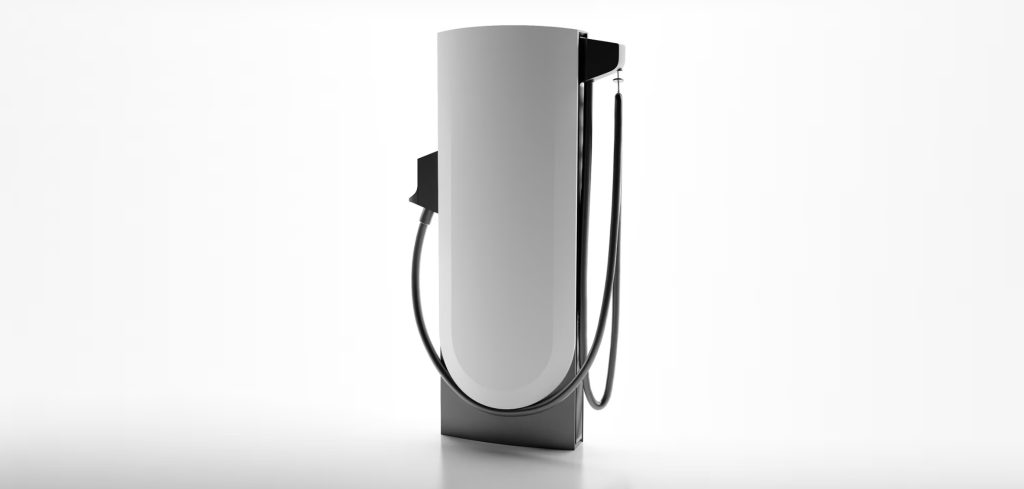
- Mount the charger posts and connect to the power supply.
- Commission the system using Tesla's software to activate billing and remote monitoring.
- Test charging with a Tesla Semi (provided by Tesla during commissioning).
Step 8: Launch and Monitor
Once operational, use the Tesla Fleet Dashboard to track energy usage, charger uptime, and billing. With the $0.08/kWh fee, Tesla handles maintenance and software updates. For private operations, you manage maintenance yourself.
Common Mistakes and How to Avoid Them
Underestimating Total Installed Cost
Many businesses focus only on the hardware price. The Megacharger's $188k for two posts does not include transformer upgrades (often $50k-$150k), trenching, or permitting fees. Tip: Add 30-50% to the base price for a realistic budget. Alternatively, start with Basechargers if your site has limited grid capacity.
Misjudging Charging Speed Needs
A Basecharger (125 kW) adds about 125 kWh per hour—enough to recharge a depleted Semi in 8 hours. If you expect high turnover or unplanned routes, a Megacharger may be necessary. Tip: Simulate your fleet's daily energy consumption using Tesla's fleet planning tool to decide the right mix.
Neglecting Utility Demand Charges
Megachargers draw enormous power (over 1 MW per post). Utilities often impose demand charges ($10-$20/kW per month). A single 1.5 MW Megacharger could add $15,000-$30,000 to your monthly bill. Tip: Negotiate time-of-use rates or install on-site battery storage (Tesla Megapack) to flatten peaks.
Overcomplicating the $0.08/kWh Fee
Some operators think the fee is too high. However, for revenue-generating sites (e.g., public truck stops), this fee simplifies billing and maintenance—you don't need to hire an electrician for minor repairs. Tip: Compare to operating your own charger: $0.08/kWh includes software, uptime guarantees, and energy management. For private depots, buying outright may be cheaper in the long run.
Summary
Tesla's Semi Charging for Business program offers two practical charging solutions: the Basecharger for overnight depot charging and the Megacharger for high-speed en-route charging. With a starting price of $188,000 for two Megacharger posts and an optional all-inclusive $0.08/kWh fee, fleets can choose the best fit. By following the step-by-step guide—from configurator access to site preparation—and avoiding common pitfalls like hidden installation costs or demand charges, you can successfully deploy reliable charging infrastructure for your Tesla Semi fleet. For more details, revisit the Prerequisites or Common Mistakes sections to ensure a smooth rollout.
Related Discussions